


Proper Cleaning and Sterilization Methods for Reusable Seed Trays
2026-06-05 16:59:19
Introduction
Growing healthy seedlings begins long before seeds are placed into soil. The seed tray you choose shapes every stage of early plant development—from germination rates to root architecture at transplant time. Whether you operate a large commercial nursery or manage a small greenhouse operation, selecting the right tray can directly influence yield consistency and overall crop quality. The principles examined here draw on horticultural science research and manufacturer field experience to provide commercial growers with an evidence-based framework for seed tray decision-making.
Commercial seedling production is a precision operation where the choice of growing container directly affects the efficiency of every downstream process. Trays that are well-matched to their intended crop and growing conditions support uniform germination, healthy root development, and efficient transplant operations. Trays that are poorly matched create problems—root binding, uneven growth, transplant shock—that cost more to fix than the marginal price difference between a premium and an economy tray.

Why Tray Hygiene Is Critical in Commercial Production
Seedling trays used in commercial production contact the most vulnerable stage of the plant life cycle: the emergent seedling with its delicate shoot and root tissue. This same surface accumulates organic residues—growing medium particles, decaying root material, fertilizer salts, and microbial biofilms—that harbor pathogens between production cycles. If trays are not thoroughly cleaned and sterilized between uses, these pathogens transfer directly to the next crop, potentially causing damping-off, root rot, and bacterial infections that can devastate an entire production block. Common nursery pathogens that persist on tray surfaces include Pythium species, which cause waterlogging-related root rot; Phytophthora species, which produce aggressive root and crown rots; Fusarium species, which cause wilting and vascular discoloration; and Rhizoctonia species, which attack the stem at the soil line. Many of these pathogens produce long-lived spores or survival structures that resist routine cleaning and require specific sterilization agents at effective concentrations to eliminate. Beyond disease prevention, clean trays produce better germination results. Residual fertilizer salts on tray surfaces can draw water osmotically away from the seed, impairing germination in the cells nearest the surface. Organic residues decompose during the nursery phase, generating heat and organic acids that stress emerging seedlings. Thorough tray cleaning eliminates these quality-degrading factors and supports the consistent germination performance that commercial operations require.
Step-by-Step Manual Cleaning Process
The manual cleaning process begins with complete removal of all growing medium residues. A high-pressure washer or hose with a high-volume nozzle attachment effectively removes loose medium from cell cavities and from the tray surface. This step should be performed immediately after the final transplant or crop removal, before organic residues dry and adhere to the plastic surface. Dried-on residues require significantly more effort to remove and are more likely to harbor residual pathogens. After pressure washing, trays should be soaked in a cleaning solution to dissolve remaining organic films. A simple detergent solution is effective for routine cleaning, but heavily soiled trays may require a enzymatic cleaner formulated for horticultural equipment, which breaks down protein and carbohydrate residues that detergent alone may not fully remove. Soaking duration should be at least 15 to 20 minutes for best results, with mechanical agitation to help dislodge stubborn residues from cell corners. After soaking, all cells should be inspected visually and manually brushed if residues remain. A stiff-bristled brush—not so hard that it scratches the tray surface—effectively removes remaining medium from cell corners and drainage holes. Trays should then be rinsed thoroughly with clean water to remove all cleaning agent residue before proceeding to the sterilization step.
Chemical Sterilization Agents and Application Methods
Chemical sterilization following manual cleaning is essential for eliminating residual pathogens that survive the mechanical cleaning process. Several classes of agricultural sterilizing agents are commonly used in commercial nursery operations. Hydrogen peroxide in 3 to 5 percent concentration is effective against a broad spectrum of fungal and bacterial pathogens and breaks down to water and oxygen without leaving toxic residues, making it suitable for organic-certified operations. Peroxyacetic acid compounds offer rapid broad-spectrum antimicrobial activity and are effective against bacterial and fungal pathogens including resistant species such as Pythium and Phytophthora. These products are typically applied at diluted concentrations specified by the manufacturer and require a minimum contact time of 10 to 15 minutes for full efficacy. Quaternary ammonium compounds provide residual antimicrobial activity that persists for some time after application and are effective against many bacterial and fungal pathogens common in greenhouse environments. Whichever chemical agent is chosen, concentration must be measured accurately using calibrated dispensing equipment. Over-concentration wastes product and may damage tray surfaces, while under-concentration leaves pathogen control inadequate. Contact time must be respected; abbreviated exposure times compromise the efficacy of all common agricultural disinfectants. A manufacturer can often provide specific sterilization protocol recommendations tailored to their tray material grades.
Steam and Heat Sterilization Protocols
Steam sterilization is an effective alternative to chemical agents, particularly for organic-certified production operations where chemical residue concerns are paramount. Steam treatment at 80 degrees Celsius sustained for 30 minutes effectively eliminates all common nursery pathogens, including fungal spores and bacterial survival structures. This approach requires trays to be heat-tolerant—most polypropylene copolymer trays withstand repeated steam sterilization without significant degradation, though repeated exposure may reduce tray flexibility over many cycles. The steam sterilization process requires a commercial steam chamber or autoclave capable of maintaining consistent temperature throughout the load. Smaller operations may use portable steam sterilizers designed for nursery equipment. The critical parameter is achieving and maintaining the target temperature at the tray surface throughout the entire 30-minute holding period; steam penetration into cell cavities takes longer than surface heating, so adequate dwell time must be allowed.
Storage Practices to Preserve Tray Integrity
Proper storage between uses extends tray service life and maintains the results of cleaning and sterilization efforts. Trays should be fully dried before stacking or storage—moisture trapped between stacked trays creates conditions for microbial growth and odor development, and can promote surface degradation in certain plastic formulations. Trays can be dried in open air on clean racks or in a forced-air drying tunnel. Storage areas should be clean, dry, and protected from direct sunlight and precipitation. UV exposure during storage, even for trays not in active use, contributes to cumulative photodegradation that shortens service life. Stacking trays in protective racks or bins prevents physical damage from drops or crushing loads. Labeled storage areas for clean versus dirty trays prevent the accidental reintroduction of contaminated trays into the production line.
Conclusion
Commercial growers who invest time in understanding tray specifications and matching them to their specific production requirements consistently outperform those who purchase on price alone. The right tray supports every stage of the seedling production cycle—from initial sowing through field transplant—and pays dividends in reduced crop losses, lower labor inputs, and more consistent harvest timing. Whether you are sourcing trays as a first-time commercial buyer or reviewing your current supplier against market alternatives, the principles outlined here provide a framework for making evidence-based decisions that protect your production outcomes.
Texas A&M AgriLife Extension. (2021). Plant Propagation and Seedling Production. Texas A&M AgriLife.
Cornell University College of Agriculture and Life Sciences. (2021). Greenhouse Seedling Production Manual. Cornell CALS.
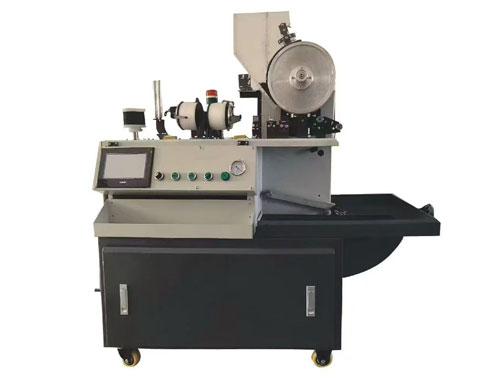
The CNC Seed Braiding Machine is a high-precision, fully automated agricultural equipment s...
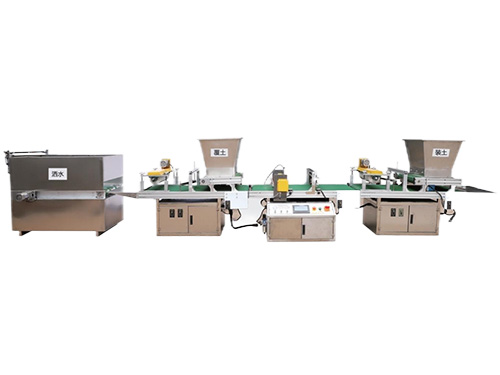
It adopts electrical integration and can be started by pressing the fully automatic button ...
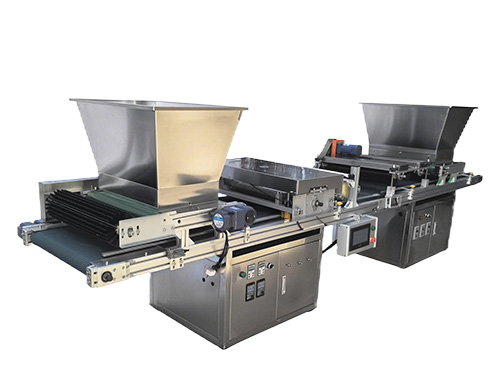
The XP750 seeder has stable performance, excellent product quality, simple and convenient o...
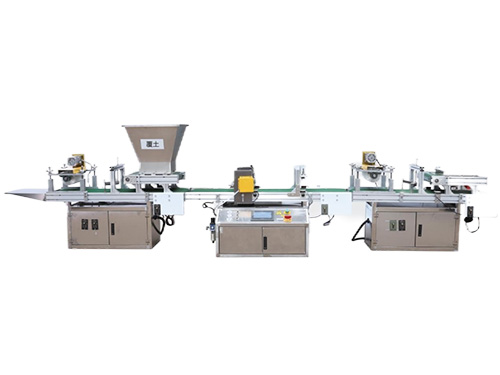
It adopts electrical integration and can be started by pressing the fully automatic button ...