


PET vs Polystyrene Seedling Trays: Which Material Is Right for Your Operation?
2026-08-05 17:56:11
Two plastics dominate the commercial plug tray market: PET and polystyrene (PS). Both are used by millions of growers worldwide, but they behave very differently in the greenhouse. This head-to-head comparison covers every factor that matters.
What Are These Materials?
PET (Polyethylene Terephthalate) is a rigid, strong plastic used in beverage bottles and food packaging. In horticulture, PET trays are formed through injection molding or thermoforming. They are slightly flexible, highly durable, and fully recyclable.
Polystyrene (PS) comes in two forms in horticulture: rigid PS sheets and expanded polystyrene foam (EPS or Styrofoam). Rigid PS trays are similar in appearance to PET but more brittle. EPS foam trays are the white, lightweight trays commonly seen in budget operations.
Side-by-Side Comparison
| Factor | PET Trays | Polystyrene (PS) Trays |
|---|---|---|
| Durability | Excellent — resists cracking and impact | Moderate — can crack under stress |
| Expected Lifespan | 3–5+ years (Haode PET: 3–5+ seasons) | 1–2 years (foam: often single-season) |
| Weight | Moderate (solid plastic) | Light (especially foam EPS) |
| Insulation Value | Moderate | High (especially EPS foam) |
| Cleaning & Sterilization | Easy — tolerates bleach, heat, steam | Difficult — foam absorbs moisture & pathogens |
| Chemical Resistance | Excellent | Poor — dissolves in some solvents |
| Recyclability | Fully recyclable (#1 plastic) | Limited (foam EPS difficult to recycle) |
| Cost | Mid-range (higher upfront, lower long-term cost) | Lower upfront cost |
| Cell Shape Precision | High (injection/thermoformed) | Moderate (foam-molded) |
| Root Detachment | Clean root plug release | Foam can cling to roots |
Durability & Long-Term Cost Analysis PET Wins Long-Term
This is where the numbers tell the real story. Although polystyrene trays have a lower purchase price, their shorter lifespan means repeated replacement costs. PET trays, with a 3–5 year service life, often deliver a lower cost-per-year over the lifecycle of the tray.
Haode's PET seedling trays are engineered for repeated use with reinforced cell walls and UV-stabilized material that resists the brittleness that plagues lower-quality plastics after repeated sterilization cycles.
Insulation & Temperature Management
Polystyrene foam has superior thermal insulation — it buffers root zone temperature against ambient fluctuations. This is particularly valuable in:
Unheated or minimally heated greenhouses in early spring
Operations in climates with large day-night temperature swings
High-altitude or northern latitude growing regions
PET trays, being denser, transfer heat more readily. However, this is an advantage in summer: PET trays do not trap heat in the root zone the way foam does. Haode addresses this seasonally by offering white PET trays (reflective, for warm-season production) and black PET trays (heat-absorbing, for cool-season production).
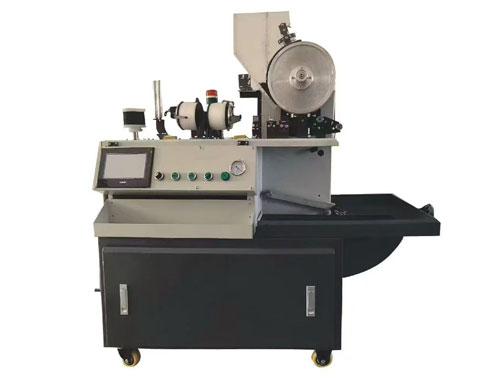
The CNC Seed Braiding Machine is a high-precision, fully automated agricultural equipment s...
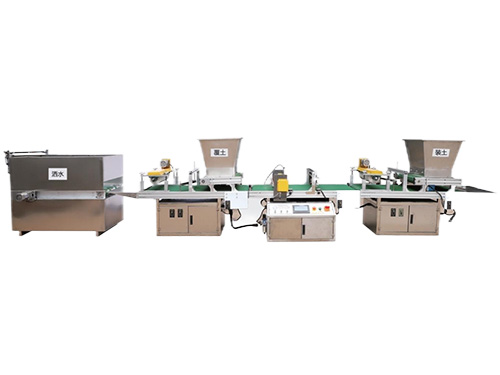
It adopts electrical integration and can be started by pressing the fully automatic button ...
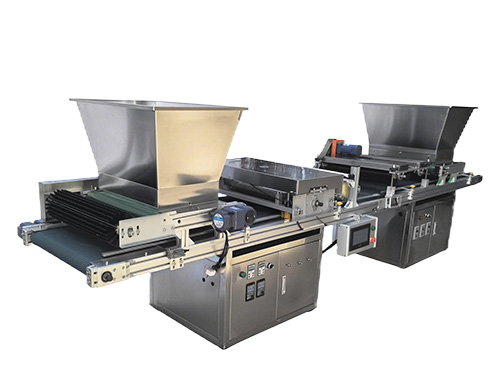
The XP750 seeder has stable performance, excellent product quality, simple and convenient o...
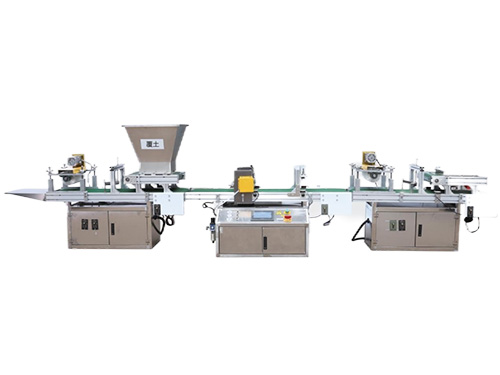
It adopts electrical integration and can be started by pressing the fully automatic button ...