


Seedling Tray Size Guide: How to Choose the Right Cell Count for Your Crops
2026-08-02 17:46:24
One of the most common mistakes in commercial propagation is choosing the wrong plug tray size. Too few cells and you waste greenhouse space. Too many cells and your seedlings become root-bound before transplant. Here's the complete sizing guide.
Understanding Cell Count and Cell Volume
The two key dimensions that determine tray suitability are:
Cell count: Total number of plants per 540×280 mm standard tray (ranges from 18 to 800+).
Cell volume: Cubic centimeters (cc) of growing medium each cell holds — the true indicator of root space available.
Higher cell count means smaller individual cells with less root volume. Lower cell count means larger cells that support longer growing periods.
Complete Seedling Tray Size Chart
| Cell Count | Approx. Cell Volume | Cell Diameter | Best Growing Period | Ideal Crops |
|---|---|---|---|---|
| 18–24 cells | 200–400 cc | 60–80 mm | 5–8 weeks | Large vegetables, young fruit trees, shrubs |
| 32–50 cells | 80–200 cc | 45–60 mm | 4–6 weeks | Peppers, eggplant, cucumbers, melons |
| 72 cells | 35–55 cc | 35–40 mm | 3–5 weeks | Tomatoes, peppers (standard commercial) |
| 105–128 cells | 20–40 cc | 28–35 mm | 2–4 weeks | Tomatoes, lettuce, basil, bedding flowers |
| 200–288 cells | 8–20 cc | 20–28 mm | 1–3 weeks | Leafy greens, fast-turnover herbs, microgreens |
| 400–800 cells | 2–8 cc | 10–20 mm | 7–14 days | Microgreens, research trays, plug acceleration |
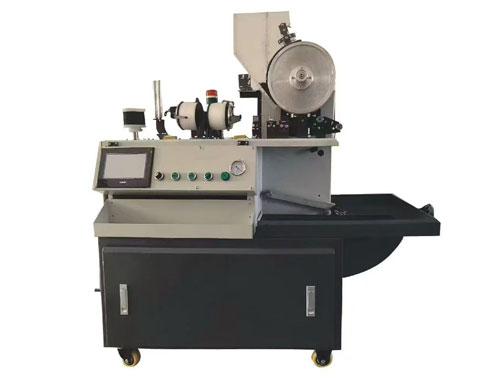
The CNC Seed Braiding Machine is a high-precision, fully automated agricultural equipment s...
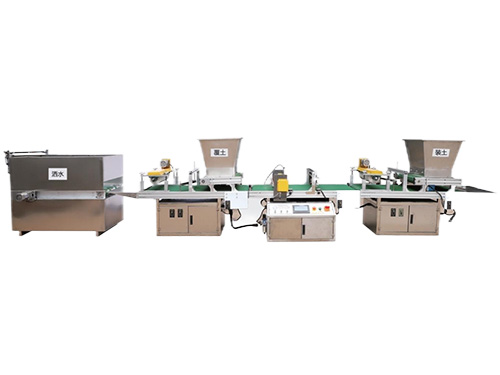
It adopts electrical integration and can be started by pressing the fully automatic button ...
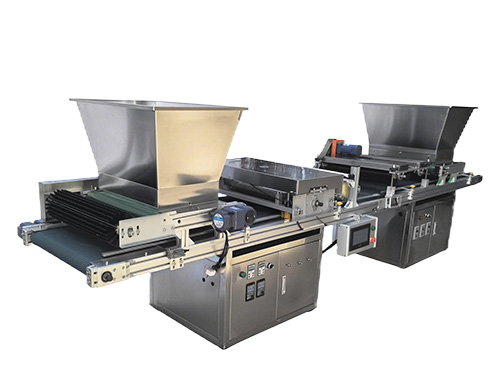
The XP750 seeder has stable performance, excellent product quality, simple and convenient o...
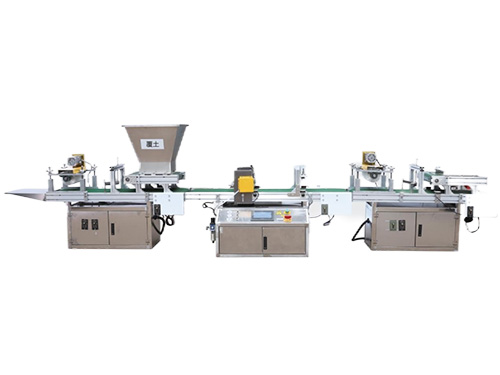
It adopts electrical integration and can be started by pressing the fully automatic button ...