


Tree Seedling Trays for Forestry and Reforestation: A Professional Guide
2026-10-12 18:06:59
Reforestation and commercial forestry depend on one thing above all else: seedling survival. A tree seedling that dies in the field wastes months of nursery care, planting labor and land. The tray in which that seedling grows is a major determinant of whether it survives the critical transplant window.

Tree seedlings have different requirements than vegetables or annuals. They need deep cells to accommodate taproots and structural roots, air pruning to prevent root binding, and a root plug that holds together during transport and planting. Dedicated tree seedling trays are engineered around these requirements.
This guide covers how tree seedling trays work, how to choose them for different species, and how the right tray improves survival in large-scale planting programs.
The Scale and Stakes of Tree Seedling Production
Forestry nurseries produce seedlings by the millions, often for government reforestation, commercial plantations and land restoration projects. At this scale, small differences in survival rate translate into enormous differences in cost and outcome. A 10% improvement in field survival can mean hundreds of thousands of additional established trees.
Because these projects are measured over decades, quality at the seedling stage compounds. Getting the tray right is one of the highest-leverage decisions a forestry nursery can make.
Why Trees Need Deep-Cell Trays
Tree seedlings develop a taproot and structural root system early. Shallow cells cause these roots to spiral and bind, producing seedlings that fail after planting. Deep-cell trays give roots room to grow downward, developing a natural, well-oriented root structure that continues growing properly once in the ground.
Deeper cells also hold more medium, buffering moisture and nutrients during the longer production cycles that tree seedlings require — often many months in the nursery before field planting.
Air Pruning and Root Plug Quality
Air pruning is essential in tree production. When root tips reach the open bottom or perforated sides of a tray and encounter air, they stop growing and branch laterally. This produces a dense, fibrous root plug that holds its shape during extraction and transplanting.
A firm, intact root plug is what separates successful mechanical and manual planting from root damage. Seedlings with air-pruned root systems also establish faster, because they arrive in the field with abundant fine roots ready to absorb water and nutrients.
Choosing Trays for Different Tree Species
| Species Type | Cell Depth | Cell Volume | Notes |
|---|---|---|---|
| Pine, spruce, fir (conifers) | Deep | Medium–large | Long production cycle, taproot development |
| Eucalyptus, poplar | Deep | Large | Fast growth, needs ample root volume |
| Hardwood (oak, maple) | Deep | Large | Strong structural root, air pruning critical |
| Shrubs and ornamentals | Medium–deep | Medium | Flexible cell counts |
Improving Survival in Reforestation Projects
Field survival is the ultimate metric, and tray choice directly influences it. Seedlings with deep, well-developed, air-pruned root systems suffer less transplant shock, establish faster and tolerate the dry conditions common after planting. In degraded or arid sites, this early establishment advantage is often the difference between a successful plantation and a failed one.
Consistent tray quality also matters at scale. Uniform cells produce uniform seedlings, which simplifies planting logistics and improves survival predictability across large project areas.
Container Growing vs Field Transplanting
Container-grown seedlings offer several advantages over bare-root stock: longer planting windows, easier handling and reduced root disturbance. The trade-off is higher per-seedling cost, which is justified for high-value projects, difficult sites and species that do not tolerate bare-root handling.
For forestry operations moving toward container production, the tray is the central piece of equipment — and its quality sets the ceiling on seedling quality.
Sourcing Trays for Large-Scale Planting Programs
Large planting programs need reliable supply, consistent quality and competitive pricing. Sourcing tree seedling trays directly from the manufacturer gives forestry nurseries control over specifications and cost. Confirm cell depth, volume, drainage and material durability, and request samples to test with your specific species and production system.
Haode New Material manufactures deep-cell tree seedling trays and root control systems at its factory in Hebei Province, China, supplying forestry and reforestation programs worldwide.
Frequently Asked Questions
Why do tree seedlings need deeper cells than vegetables?
Tree seedlings develop taproots and structural roots early, so deep cells are needed to prevent root spiraling and support proper root orientation.
What is air pruning and why is it important for trees?
Air pruning occurs when root tips hit air and stop growing, causing lateral branching. This creates a dense, fibrous root plug that transplants cleanly and establishes quickly.
How does tray choice affect reforestation survival?
Trays that produce deep, well-developed, air-pruned root systems reduce transplant shock and improve early establishment, directly raising field survival rates.
Are tree seedling trays reusable?
Yes. Durable plastic tree seedling trays can be cleaned and reused across multiple production cycles, lowering the cost per seedling.
Which tree species need the largest cells?
Fast-growing and hardwoods like eucalyptus, poplar, oak and maple benefit from large, deep cells to accommodate their extensive root systems.
Should I source tree trays directly from the factory?
For large-scale programs, factory-direct sourcing offers lower cost and greater control over cell depth, volume and material specifications.
Conclusion
Tree seedling trays are a quiet but decisive factor in forestry and reforestation success. Deep cells, air pruning and consistent quality produce the root plugs that survive transplanting and establish into healthy trees. For large-scale programs, investing in the right tray is investing in survival.
Explore deep-cell tree seedling trays and root control solutions at haodeseedtray.com to strengthen your planting program.
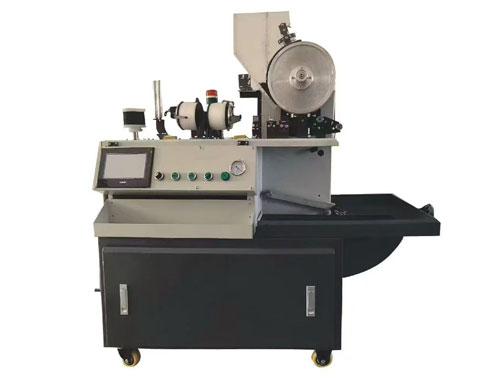
The CNC Seed Braiding Machine is a high-precision, fully automated agricultural equipment s...
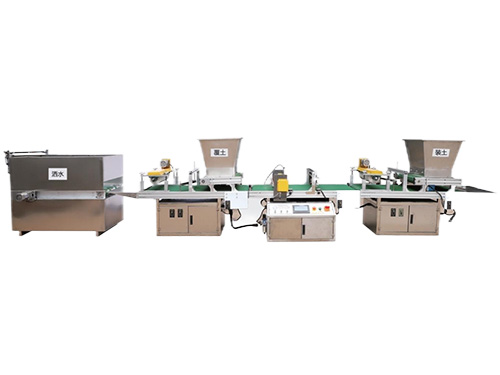
It adopts electrical integration and can be started by pressing the fully automatic button ...
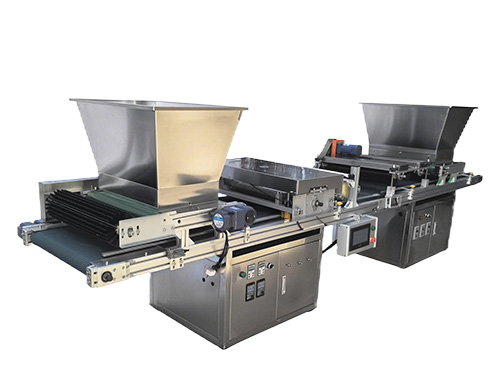
The XP750 seeder has stable performance, excellent product quality, simple and convenient o...
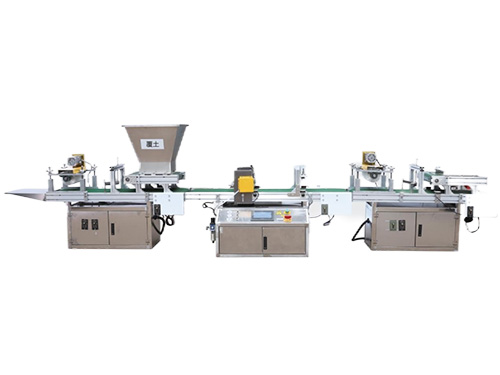
It adopts electrical integration and can be started by pressing the fully automatic button ...