


Seedling Trays with Drainage Holes: The Key to Healthy Root Development
2026-04-16 10:06:23
In modern horticulture and commercial agriculture, strong root development is the foundation of healthy plant growth. Without a well-developed root system, seedlings struggle to absorb water and nutrients efficiently, resulting in weak plants and lower yields. One of the simplest yet most effective tools to support root health is the seedling tray with drainage holes.
These specially designed trays are widely used in nurseries, greenhouses, and commercial farms because they create an optimal environment for seed germination and early plant development. This article explains why drainage holes are essential and how they directly contribute to healthier root systems and stronger plants.


What Are Seedling Trays with Drainage Holes?
Seedling trays with drainage holes are planting containers designed with multiple small openings at the bottom of each cell. These holes allow excess water to drain freely, preventing waterlogging and ensuring proper airflow around the root zone.
They are typically made from materials such as PET, PP, or PS plastic and come in various cell sizes depending on the crop type, including vegetables, flowers, and forestry seedlings.
Why Drainage Matters in Seedling Growth
Water management is one of the most critical factors in successful seedling production. While water is essential for germination, too much moisture can be harmful.
Poor drainage often leads to:
·Root rot and fungal diseases
·Oxygen deficiency in the root zone
·Slow or uneven germination
·Weak and underdeveloped seedlings
Seedling trays with drainage holes solve these problems by maintaining a balanced moisture level.
Key Benefits of Seedling Trays with Drainage Holes
1. Prevents Overwatering and Root Rot
Excess water is one of the most common causes of seedling failure. Drainage holes allow surplus water to escape quickly, preventing saturation of the growing medium.
This helps protect seedlings from root rot, a condition that can destroy entire batches of young plants in a short time.
2. Improves Oxygen Flow to Roots
Healthy roots require oxygen just as much as they need water. When soil becomes waterlogged, oxygen levels drop dramatically.
Drainage holes help maintain air pockets in the substrate, ensuring that roots receive adequate oxygen for respiration and healthy growth.
3. Encourages Stronger Root Structure
Proper drainage promotes the development of deeper and more fibrous root systems. Instead of staying shallow due to excessive moisture, roots are encouraged to grow downward in search of nutrients and stability.
This leads to stronger plants that transplant more successfully into soil or field conditions.
4. Enhances Germination Consistency
Uniform moisture levels across all cells help seeds germinate more evenly. When each seedling receives a balanced environment, growth becomes synchronized, which is especially important for commercial production.
Consistent germination also reduces labor costs associated with replanting or sorting uneven seedlings.
5. Reduces Disease Risk
Standing water creates an ideal environment for harmful fungi and bacteria. Drainage holes minimize this risk by eliminating stagnant moisture.
This results in healthier seedlings with a lower chance of disease outbreaks during the early growth stage.
6. Improves Reusability and Maintenance
Trays with proper drainage are easier to clean and maintain. After each growing cycle, they can be quickly washed and disinfected, ensuring safe reuse for multiple seasons.
This increases cost efficiency for nurseries and large-scale growers.
Applications in Modern Agriculture
Seedling trays with drainage holes are widely used in various agricultural systems, including:
·Vegetable production (tomato, cucumber, pepper, lettuce)
·Flower nurseries and ornamental plant production
·Forestry seedling cultivation
·Greenhouse farming systems
·Hydroponic and soilless growing systems
Their versatility makes them essential for both small-scale gardeners and industrial growers.
Best Practices for Using Seedling Trays
To maximize the benefits of drainage trays, growers should follow these practices:
·Use well-aerated and lightweight growing media
·Avoid overwatering; maintain moderate moisture levels
·Ensure trays are placed on level surfaces for even drainage
·Clean and disinfect trays between uses
·Match cell size with plant type for optimal root development
These simple steps help ensure strong and uniform seedling growth.
Conclusion
Seedling trays with drainage holes play a crucial role in promoting healthy root development and improving overall plant performance. By preventing waterlogging, enhancing oxygen availability, and supporting strong root structure, they significantly increase germination success and seedling quality.
For modern growers seeking efficiency, consistency, and higher yields, investing in high-quality drainage seedling trays is an essential step toward better agricultural productivity and sustainable cultivation practices.
References
GB/T 7714:The Container Tree Nursery Manual: Containers and Growing Media. USDA Forest Service.
MLA:Investigation of drainage and plant growth from nursery container substrate. Applied Engineering in Agriculture
APA:Container production practices and nursery crop quality. HortScience
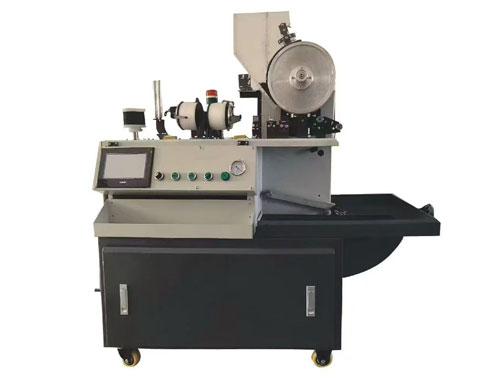
The CNC Seed Braiding Machine is a high-precision, fully automated agricultural equipment s...
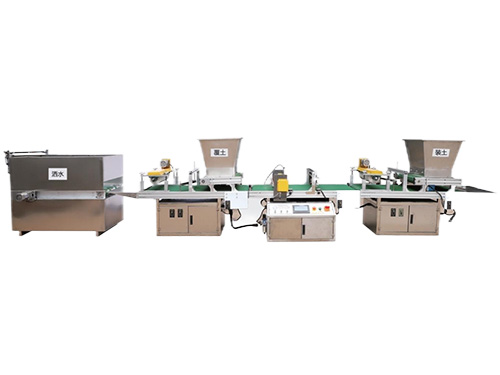
It adopts electrical integration and can be started by pressing the fully automatic button ...
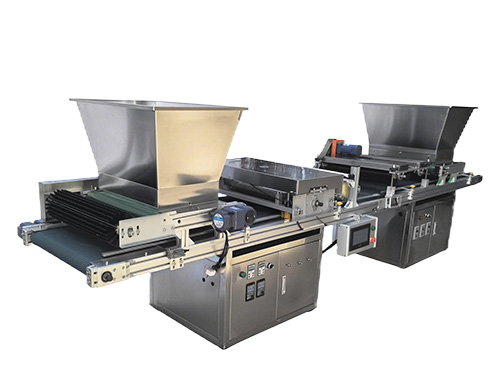
The XP750 seeder has stable performance, excellent product quality, simple and convenient o...
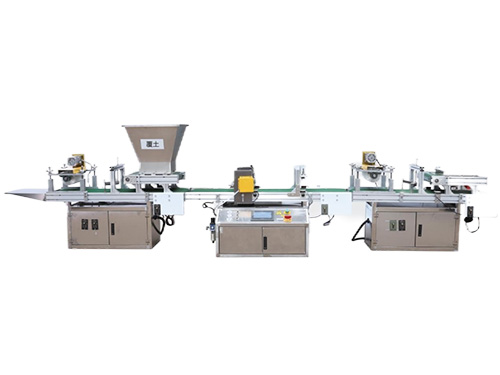
It adopts electrical integration and can be started by pressing the fully automatic button ...