


High Quality PET Seedling Trays: The Complete Guide for Professional Growers
2026-09-30 15:30:57
Seed germination is a precision business. The difference between a strong, uniform seedling batch and a patchy, weak one often comes down to a single piece of equipment: the seedling tray. For commercial nurseries, greenhouses and professional growers, choosing a high quality PET seedling tray is not a cosmetic decision — it is a direct investment in germination rate, root health and ultimately, yield.

PET (polyethylene terephthalate) has emerged as the preferred material for modern plug trays. Unlike flimsy, single-use polystyrene (PS) trays, PET trays combine transparency, chemical stability and long-term reusability, giving growers a tool that performs consistently season after season.
This guide breaks down everything a professional grower needs to know about PET seedling trays — from material science and cell count selection to cleaning protocols and factory sourcing — so you can make a decision that lowers your per-seedling cost and raises your production quality.
What Makes PET the Ideal Material for Seedling Trays
The choice of tray material directly influences root growth, transplant success and equipment lifespan. PET stands out for three core reasons.
Transparency for germination monitoring. PET trays are crystal clear, allowing light to reach young seedlings evenly and giving growers an unobstructed view of root development. You can spot overwatering, root binding or emerging sprouts without disturbing the delicate soil structure — a major advantage over opaque PS trays.
Chemical stability and food safety. High grade PET is food-safe and non-toxic, meaning no harmful plasticizers leach into the growing medium. This is critical for edible crops such as vegetables, herbs and microgreens, where safety certifications matter.
Durability and reusability. PET resists cracking, warping and fading under repeated water, soil and sunlight exposure. A single PET tray can be reused for dozens of cycles, dramatically lowering your cost per use compared to disposable trays.
Key Features to Look for in Professional PET Seedling Trays
Not all PET trays are built equal. When evaluating a supplier, inspect these specifications carefully:
Material grade: Confirm the tray is made from virgin, food-grade PET rather than recycled or blended resin that may crack prematurely.
Wall thickness: Thicker walls resist deformation under soil load and survive automated handling equipment.
Drainage design: Every cell must have a precision drainage hole to prevent waterlogging while retaining adequate moisture.
Cell shape and taper: A slight inward taper makes seedling removal easier and protects root structure during transplanting.
Stackability: Uniform stacking saves warehouse space and enables compatibility with seeding machines.
Cell Count and Sizing: Matching Trays to Crop Types
Cell count determines how many seedlings you can produce per tray — but more cells always mean smaller individual root volume. The right choice balances throughput against plant quality.
Small cells (128–136) suit fast-growing, small-seeded crops like lettuce and herbs. Medium cells (50–72) fit vegetables such as tomato, pepper and cabbage. Large cells (6–24) give deep-rooted crops like squash, melon and tree seedlings room to develop strong root systems before transplant.
PET vs PS vs Biodegradable: A Material Comparison
| Feature | PET Trays | PS Trays | Biodegradable Trays |
|---|---|---|---|
| Reusability | High (multi-season) | Low (often single-use) | None (single-use) |
| Transparency | Excellent | Poor (opaque) | Varies |
| Chemical resistance | High | Moderate | Low |
| Food safety | Food-grade | Limited | Varies by material |
| Cost per use | Lowest long-term | Higher | Highest |
| Environmental profile | Recyclable | Harder to recycle | Compostable |
How to Clean, Sanitize and Reuse PET Trays
Maximizing the lifespan of PET trays requires a disciplined cleaning protocol between cycles. Residual soil and pathogens are the two biggest threats to tray longevity and seedling health.
After transplanting, rinse trays thoroughly to remove soil. Soak in a mild sanitizing solution (a diluted bleach or quaternary ammonium solution is common in commercial nurseries), scrub to remove biofilm, then rinse and air-dry completely before stacking. Drying prevents mold and bacterial growth during storage. When handled correctly, high grade PET trays can deliver reliable performance for five or more production seasons.
Drainage, Aeration and Root Development
Overwatering is the single most common cause of seedling failure. Precision drainage holes in each cell let excess water escape quickly, keeping the medium moist but never waterlogged. This balance of moisture and oxygen is what seeds need to sprout and roots need to strengthen.
Good aeration also prevents root circling. Combined with air-pruning designs, well-drained PET trays encourage fibrous, well-branched root systems that transplant cleanly and establish quickly in the field — a key driver of survival rate after transplanting.
How to Source PET Seedling Trays Directly from the Factory
For commercial volumes, buying directly from the manufacturer removes distributor markups and gives you control over specification and quality. When sourcing, request material certification, ask for sample trays for testing, and confirm the supplier can support your cell count, color and custom logo requirements.
Haode New Material (Ningjin County Haode New Material Co., Ltd.) manufactures a full range of PET seedling trays, drainage mats and related equipment from its factory in Hebei Province, China, supplying nurseries and farms worldwide at factory-direct pricing.
Frequently Asked Questions
Are PET seedling trays safe for growing edible crops?
Yes. Food-grade PET is non-toxic and does not leach harmful chemicals into the growing medium, making it safe for vegetables, herbs and microgreens.
How many times can a PET seedling tray be reused?
With proper cleaning and sanitizing between cycles, high grade PET trays can typically be reused for five or more production seasons.
What cell count should I choose for tomatoes and peppers?
Medium cells (50–72 count) provide the root volume that tomato and pepper seedlings need to develop strong root systems before transplanting.
Can PET trays be used with automated seeding machines?
Yes. Uniform, stackable PET trays are designed to be compatible with manual, semi-automatic and fully automatic seedling seeders.
How should I sanitize PET trays between uses?
Rinse to remove soil, soak in a diluted sanitizing solution, scrub, rinse again and air-dry completely before stacking and storage.
What is the minimum order quantity for bulk trays?
Minimum order quantities vary by specification. Contact the factory with your cell count and quantity requirements for a precise quote.
Conclusion
High quality PET seedling trays are more than containers — they are a precision tool that determines germination consistency, root health and transplant survival. By choosing the right material, cell count and drainage design, and by maintaining a proper cleaning protocol, professional growers can lower their per-seedling cost while improving crop quality.
For nurseries and farms seeking durable, food-grade PET trays at factory-direct prices, Haode New Material offers a complete range of specifications backed by years of manufacturing experience. Visit haodeseedtray.com to explore the full product line.
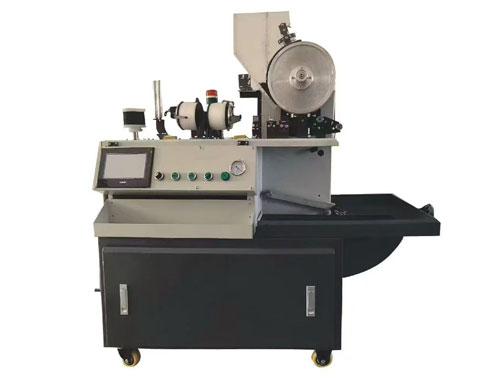
The CNC Seed Braiding Machine is a high-precision, fully automated agricultural equipment s...
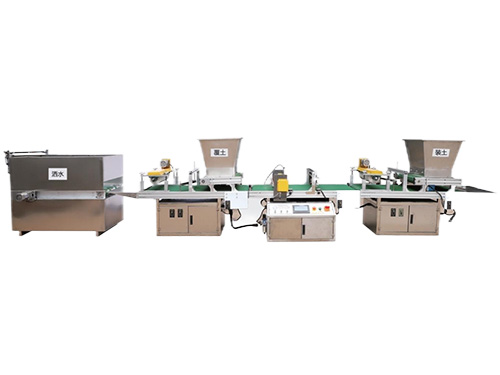
It adopts electrical integration and can be started by pressing the fully automatic button ...
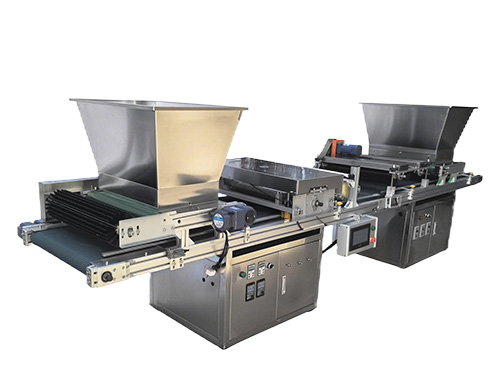
The XP750 seeder has stable performance, excellent product quality, simple and convenient o...
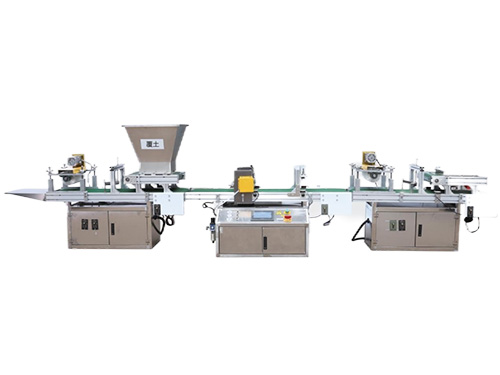
It adopts electrical integration and can be started by pressing the fully automatic button ...