


How to Clean, Sanitize and Reuse Seedling Trays: The Professional Protocol
2026-09-26 15:19:50
Reusing seedling trays is one of the smartest ways to cut nursery costs — but only if you clean them properly. A dirty tray carries the pathogens from last season's crop directly into your next one, turning a cost-saving measure into a disease outbreak. The difference between a profitable reuse program and a costly one is a disciplined sanitation protocol.

Damping-off, root rot and other seedling diseases persist in organic residue and biofilm left on trays. Proper cleaning removes this residue, and sanitizing kills the pathogens it harbors. Together, they protect seedling health and extend the useful life of your trays.
This guide lays out the professional protocol for cleaning, sanitizing and reusing seedling trays — step by step.
Why Tray Sanitation Matters for Seedling Health
Young seedlings are highly vulnerable to disease, and the tray is one of the most common vectors. Pathogens such as Pythium, Rhizoctonia and Phytophthora survive in soil residue and organic films, waiting to infect the next crop. Without sanitation, reusing trays simply re-inoculates every new seedling batch.
Effective sanitation breaks this cycle, giving seedlings a clean start. It is the single most effective disease-prevention practice available to nurseries — and it costs far less than the losses from a disease outbreak.
The Pathogens That Persist in Trays
Several serious seedling pathogens can survive on tray surfaces and in cell residue. Damping-off fungi attack seedlings at the soil line, while root-rot pathogens destroy root systems. Bacteria and algae also build up in biofilm, creating a reservoir for future problems.
Understanding what you are fighting underscores why a simple rinse is not enough — pathogen spores and bacteria require both physical removal and chemical sanitizing to eliminate.
The Step-by-Step Cleaning Protocol
Remove debris: Knock out and brush away all soil, roots and organic matter from every cell.
Pre-rinse: Rinse trays thoroughly with water to remove remaining residue.
Soak: Immerse trays in a sanitizing solution for the manufacturer-recommended contact time.
Scrub: Scrub cells with a soft brush to remove biofilm that the soak loosened.
Final rinse: Rinse away the sanitizer to prevent chemical residue affecting the next crop.
Dry: Air-dry trays completely before stacking or storage.
Choosing the Right Sanitizer
Common sanitizers include diluted bleach (sodium hypochlorite), quaternary ammonium compounds, hydrogen peroxide and peroxyacetic acid. Each has different contact times, material compatibility and residue profiles. Bleach is inexpensive and effective but requires thorough rinsing; quaternary ammonium compounds offer residual protection but can leave residue.
Match the sanitizer to your tray material and crop. Food-safe operations should choose sanitizers approved for food-contact use and ensure complete rinsing.
Drying and Storage Best Practices
Drying is a frequently overlooked step — and a critical one. Storing trays while still damp promotes mold and bacterial growth, defeating the entire cleaning effort. Allow trays to air-dry fully, then stack them in a clean, dry area protected from dust and pests.
Proper storage not only protects the trays from re-contamination but also preserves their structural integrity, maximizing how many seasons you get from each tray.
Extending Tray Life and Cutting Replacement Costs
High-quality PET and PS trays are designed for repeated use, but their lifespan depends on how they are handled. Gentle cleaning with appropriate tools, proper sanitizer concentrations and careful storage all extend tray life. A tray that lasts five seasons instead of three cuts your per-use cost dramatically.
Haode New Material manufactures durable, food-grade seedling trays engineered to withstand repeated cleaning and sanitizing cycles, giving nurseries a lower total cost of ownership.
Building Sanitation Into Your Workflow
| Step | Purpose | Common Mistake |
|---|---|---|
| Debris removal | Remove organic matter | Skipping, leaving residue |
| Sanitizing soak | Kill pathogens | Too-short contact time |
| Scrubbing | Remove biofilm | Using harsh tools that scratch trays |
| Rinsing | Remove chemical residue | Incomplete rinse |
| Drying | Prevent mold | Storing damp trays |
Frequently Asked Questions
Why is rinsing alone not enough to clean trays?
Rinsing removes visible debris but not the pathogens and biofilm that persist on surfaces. Sanitizing is required to kill disease organisms.
What sanitizer should I use for seedling trays?
Diluted bleach, quaternary ammonium compounds, hydrogen peroxide and peroxyacetic acid are common. Match the sanitizer to your material and crop, and rinse thoroughly.
How long should trays soak in sanitizer?
Follow the sanitizer manufacturer's contact-time recommendation, which typically ranges from several minutes to 30 minutes depending on the product.
Can I stack trays while they are still damp?
No. Storing damp trays promotes mold and bacterial growth. Always air-dry trays completely before stacking or storage.
How many times can a PET seedling tray be reused?
With proper cleaning and handling, high-quality PET trays can typically be reused for five or more production seasons.
Does sanitizing damage plastic trays?
When used at correct concentrations, sanitizers do not harm PET or PS trays. Over-concentrated solutions or prolonged exposure can cause degradation, so follow dilution guidance.
Conclusion
Cleaning, sanitizing and reusing seedling trays is a high-value practice that protects seedling health and cuts costs — but only when done correctly. A disciplined protocol that includes debris removal, sanitizing, rinsing and drying breaks the disease cycle and extends tray life.
Pair your sanitation program with durable, food-grade trays from haodeseedtray.com to maximize your return on every tray.
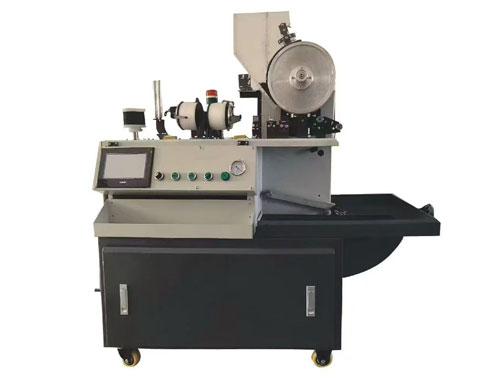
The CNC Seed Braiding Machine is a high-precision, fully automated agricultural equipment s...
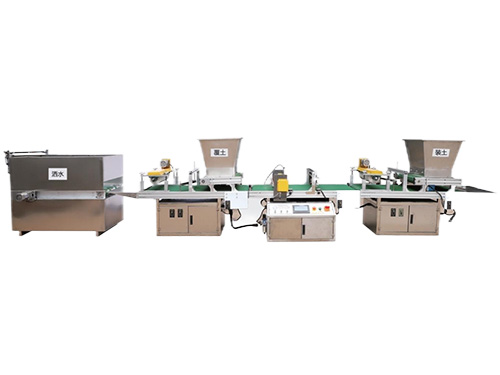
It adopts electrical integration and can be started by pressing the fully automatic button ...
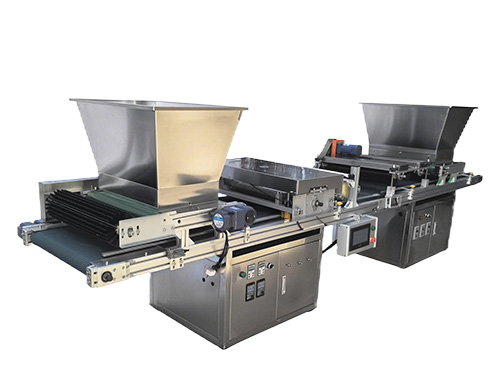
The XP750 seeder has stable performance, excellent product quality, simple and convenient o...
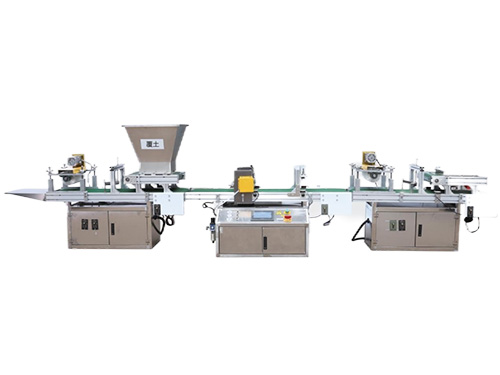
It adopts electrical integration and can be started by pressing the fully automatic button ...